A generic claim that an arcade machine “pays for itself” in a few months is not a reliable plan for a new venue. Visitor traffic, pricing, prizes, downtime, rent, and staffing vary by location. A simple worksheet based on your own assumptions is more useful than a supplier’s headline estimate.
1. Estimate plays and revenue by scenario
For each machine, write down an expected number of paid plays per day and the price per play. Monthly gross revenue is estimated plays per day × open days × average collected price. If you use bundles, promotions, or free credits, use the effective amount actually collected per play.
Make at least three scenarios: cautious, base, and busy. Do not treat a weekend observation as a typical month. If the venue is new, mark traffic assumptions as unverified and update them after opening.
2. Subtract costs that rise with play
Prize and ticket redemption games have prize or redemption costs; payment processing and other consumables may also change with activity. Estimate variable cost per paid play for the exact machine and prize plan. Revenue minus variable costs gives a contribution amount before fixed venue expenses. Track prize refills and actual redemption carefully so the estimate can be corrected.
3. Include fixed and startup costs
List the purchase price, freight, import charges, installation, payment integration, and opening stock. Then allocate ongoing rent, staffing, utilities, maintenance, software fees, insurance, and marketing in a way that makes sense for your venue. Avoid counting the same expense twice. Some costs belong to the entire arcade, so state clearly how you assign them to an individual machine.
A basic operating break-even check uses monthly fixed costs divided by contribution per paid play. The U.S. Small Business Administration’s break-even guide explains the relationship between fixed costs, selling price, and variable costs. Apply your local tax, accounting, and currency treatment separately.
4. Calculate a cautious payback estimate
One rough worksheet is initial investment divided by estimated monthly net cash contribution after relevant operating costs. For example, if the initial outlay were 6,000 in your currency and the machine contributed 500 per month after the costs included in your model, the arithmetic gives 12 months. Those figures are illustrative only; they are not a HaiQuWan performance claim or a forecast for any venue.
Test how the result changes if plays fall, prizes cost more, or the machine is unavailable for part of the month. If the result works only in the busiest scenario, revisit the purchase or the operating plan.
5. Review actual performance after opening
Record paid plays, collected revenue, prize costs, downtime, service expense, and customer feedback by machine. Compare actual results with the original scenarios every month. A change in placement, pricing, or game mix can be tested, but it should be measured rather than assumed to improve returns.
Use a machine selection checklist to identify equipment that fits the venue first. For a project proposal, share your floor plan and target mix with HaiQuWan; ask for exact equipment costs and operating specifications to enter into your own model.
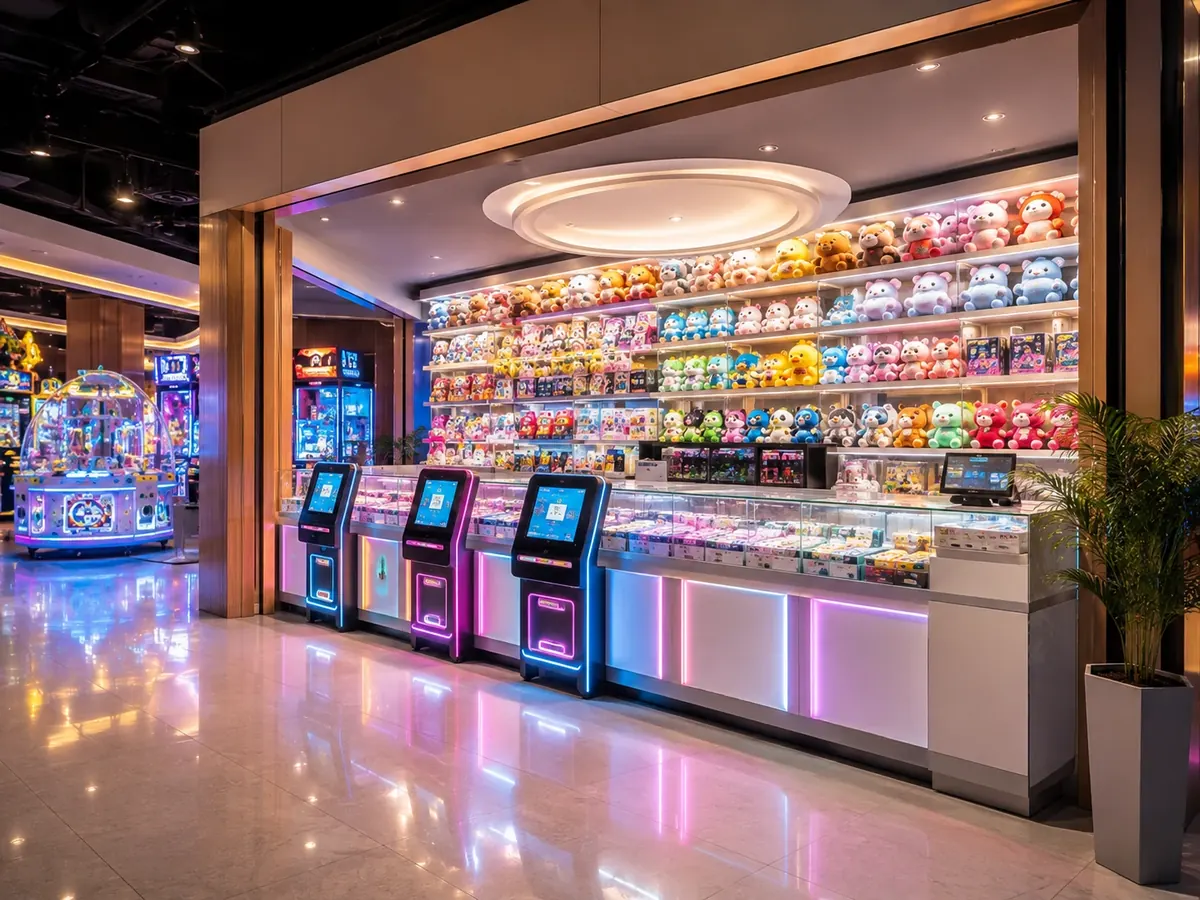
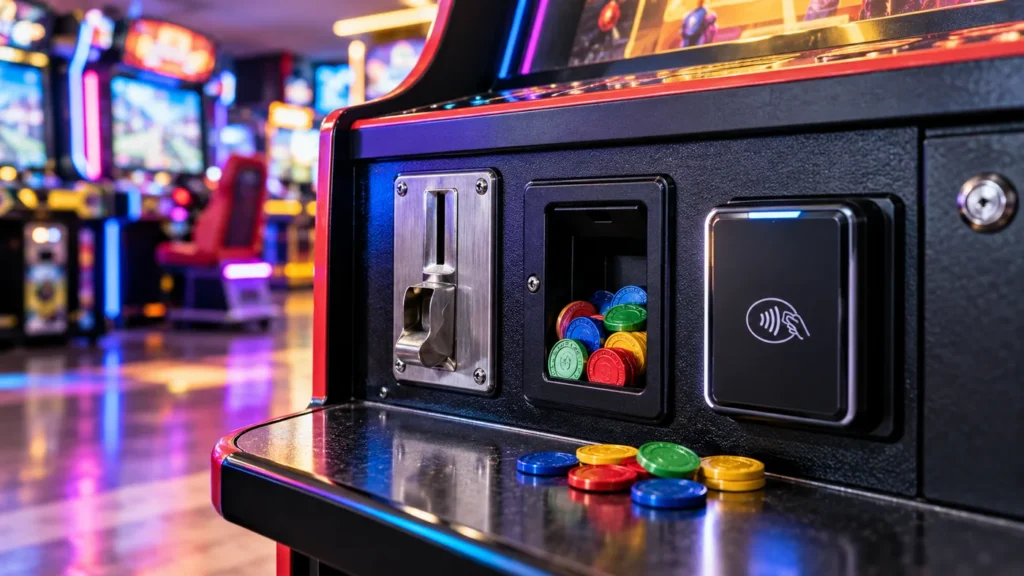
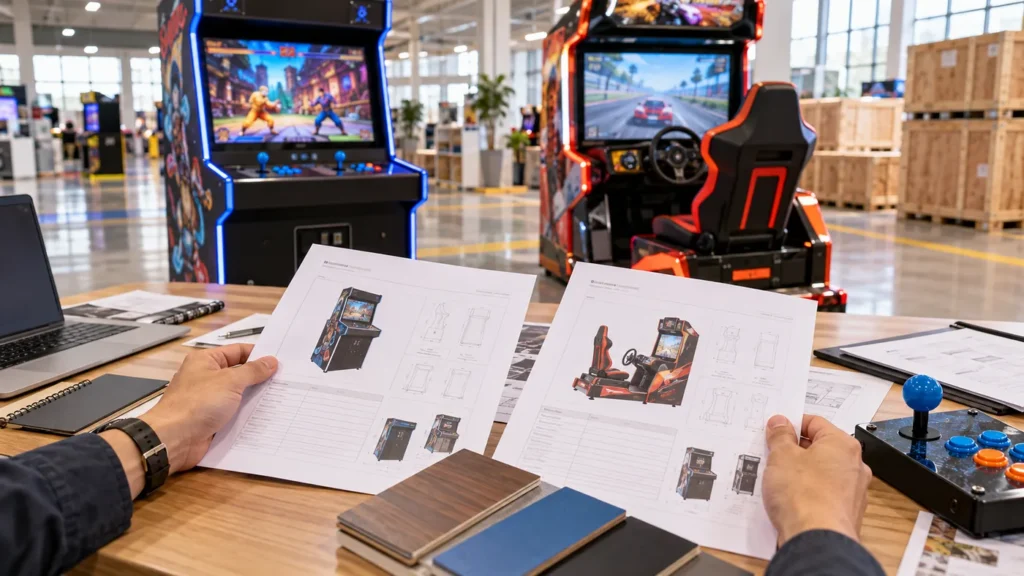
Cover image: illustrative venue scene; it does not depict a completed HaiQuWan installation. The example figures are hypothetical.